Throw the Party Your Apartment Was Born to Host (Yes, Even That Apartment)
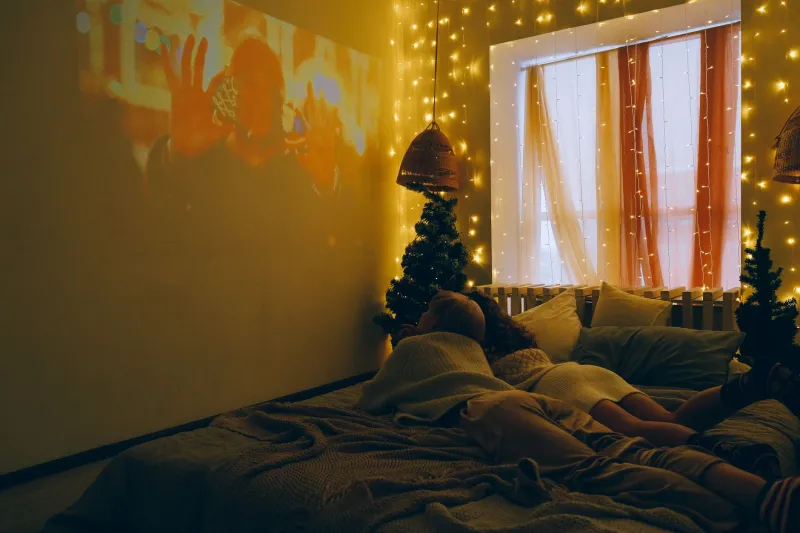
Let's get one thing out of the way: the apartment that's perfect for entertaining probably doesn't exist. The sprawling loft, the open floor plan, the kitchen island that seats twelve — that's a fantasy sold by home décor brands and television shows where nobody actually cooks. Real apartments have weird angles. They have columns where you wish there weren't columns. They have that one room everyone ends up in that's way too small for everyone to be in.
And honestly? That's where the best parties happen.
There's a certain kind of gathering — intimate, a little chaotic, full of conversations that go somewhere unexpected — that only happens in spaces that weren't designed for entertaining. The quirks create the energy. The constraints create the intimacy. All you have to do is stop apologizing for your floor plan and start working with it.
Here's how.
Stop Thinking in Rooms, Start Thinking in Zones
The first mistake most people make when hosting in a small or oddly configured apartment is trying to recreate the party layout from a space that's nothing like theirs. You're not running a cocktail reception at a hotel event room. You're hosting in a place with a weird bump-out near the window and a hallway that's technically wide enough to stand in.
Instead of fighting that reality, lean into zone thinking. Every gathering needs a few key functions: somewhere people can stand and talk, somewhere they can sit and settle in, somewhere the food and drinks live, and — critically — somewhere a little separate that gives introverts a place to breathe. The beauty of a weird floor plan is that it often creates those zones for you without any furniture rearranging.
That alcove nobody knows what to do with? That's your bar setup. The weird sunken area? That's your seating zone — throw some floor cushions in there and suddenly it's the most coveted spot in the apartment. The narrow hallway that connects two rooms? String some lights across it and it becomes a transition moment, a little passage between one vibe and another.
Think less "this is my living room" and more "this is where the energy flows."
Lighting Is Doing More Work Than You Think
If there's one variable that separates a forgettable apartment party from a genuinely memorable one, it's lighting. Not expensive lighting. Just intentional lighting.
The goal is warmth and directionality. Overhead lights — especially the flat, bright kind that comes standard in most apartments — are basically the enemy of atmosphere. Turn them off. Seriously, all of them. Then rebuild your light from the ground up using lamps, candles, and string lights placed low and at eye level.
For oddly shaped spaces, this approach does double duty. It draws attention to the parts of your apartment that look good in a warm glow (most things do) and quietly de-emphasizes the parts you'd rather not explain. That weird exposed pipe? Invisible. The ceiling that slopes in a way that made you question the building's structural integrity? Nobody's looking up.
Interior stylist and frequent apartment entertainer Lucia Ferrand, who hosts monthly dinners in her weirdly configured Astoria, Queens, one-bedroom, swears by a simple rule: "One lamp per corner, candles on every flat surface above knee height. That's it. The apartment transforms in about ten minutes."
For spaces with unusual architectural details — exposed brick, oddly placed windows, a column in the middle of the room — uplighting is your friend. A small, inexpensive LED spotlight aimed at a textured wall creates drama that no amount of furniture can manufacture.
Turn the Weird Stuff Into the Conversation
Here's a hosting philosophy that sounds obvious but most people never actually implement: make the strange things about your apartment part of the experience, not something you nervously explain away.
If you've got a door that leads to a closet that's inexplicably the size of a small bedroom, put something in there. A coat rack, obviously, but also a single lamp, a small rug, a framed print. Make it a moment. Guests will open that door expecting to hang their jacket and find themselves in a tiny, perfectly lit room. That's a memory.
If you've got a weird step-down into the kitchen, put a small sign there — something deadpan, like "Mind the Drama" — and lean into it. The apartment's quirks become talking points, and talking points become the social glue that gets a party moving.
Chicago-based host and vintage collector Darnell Okafor, whose Logan Square apartment features a half-wall that divides his living room in a way that makes no structural sense, uses it as a display surface for rotating collections of objects. "People always gather around it," he says. "It's basically a conversation installation. The apartment's weirdest feature became the centerpiece of every party I throw."
Sound Is Your Secret Weapon
Small and irregular spaces do strange things to sound — and if you understand that, you can use it. Hard surfaces (exposed brick, wood floors, plaster walls) reflect sound and create liveliness. Soft surfaces (rugs, curtains, upholstered furniture) absorb it and create intimacy.
For a party, you want a mix. Too much bounce and the room gets cacophonous as the night gets louder. Too much absorption and the music dies before it gets anywhere.
The practical move: place your speaker in a corner or against a wall, not in the middle of the room. Corners amplify bass and give music a physical presence. Aim it slightly away from where people are clustered — you want the sound to fill the room, not blast whoever's standing nearest to it.
In terms of volume, keep it lower than your instincts tell you. The goal is a bed of sound that conversations float on top of, not a wall of noise that forces everyone to yell. You can always turn it up later. You can't un-yell a party.
The Snack Geography Principle
Where you put the food determines where people go. This is not a small thing.
In a weirdly shaped apartment, you can use snack placement as a crowd management tool. Put the main spread in one area, a secondary snack situation in another (even just a bowl of something good), and drinks in a third. People will migrate between them, which means the whole apartment gets used, the energy distributes, and no single zone gets so packed that it stops being fun.
It also means your oddest corners get visited. And when people find themselves standing in your weird little alcove eating cheese, they tend to look around and appreciate it in a way they wouldn't if they'd been herded into the obvious spots.
Embrace the Capacity of Intimacy
Finally, and maybe most importantly: stop trying to host more people than your apartment wants to hold. A cramped, oddly shaped apartment that's at 60% capacity feels alive. The same apartment at 120% capacity feels like a problem.
The best parties in small, strange apartments are the ones where everyone can actually talk to everyone else. Where the layout creates accidental one-on-one conversations in unexpected corners. Where the space itself is doing hosting work — pulling people together, separating them just enough, giving them things to look at and react to.
Your apartment, however weird its floor plan, was built for exactly this. You just have to let it do its job.